What is BrowserSolver?
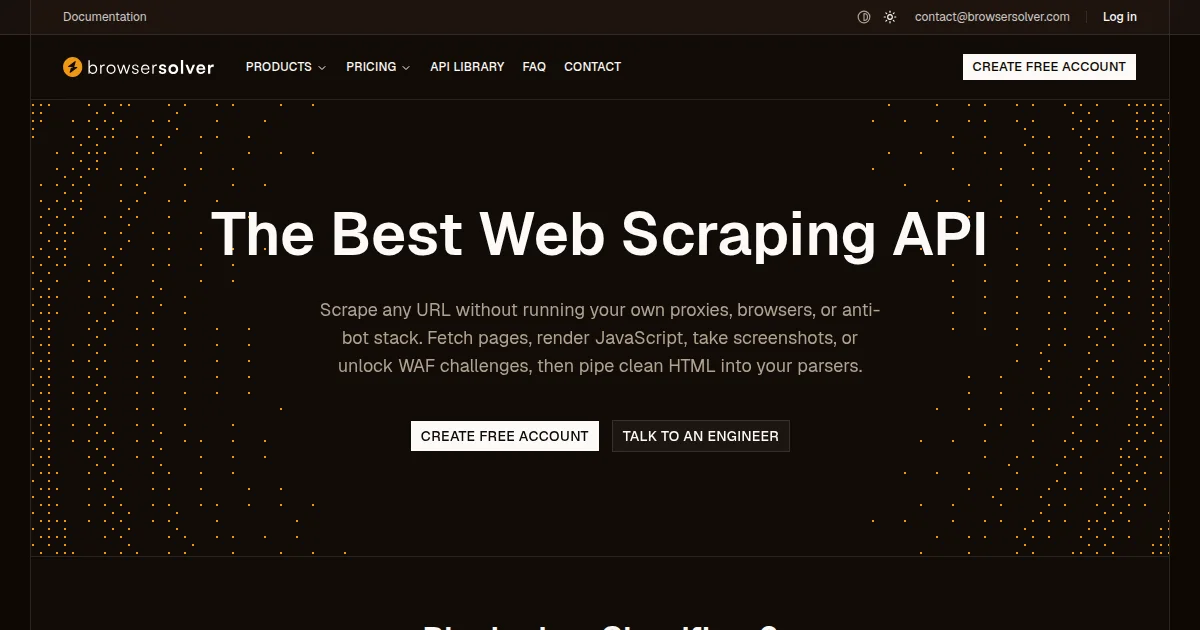
BrowserSolver is a web scraping API that lets teams fetch, render, screenshot, or bypass protected web pages through a single HTTP endpoint. It covers six modes: static HTML crawling, JavaScript rendering via headless Chromium, screenshot capture, WAF unlock for Cloudflare and DataDome, anti-bot detection, and page technology profiling. Teams point their scrapers at BrowserSolver rather than managing proxy lists, fingerprinting configs, and unlock vendor contracts themselves.
Why BrowserSolver works
Running a reliable scraping stack means maintaining browser pools, proxy rotation, and per-vendor bypass logic that breaks whenever a site upgrades its WAF. BrowserSolver keeps fingerprinting, retries, and bypass routing on its side of the API call, so teams pay only for successful fetches and never debug proxy health or anti-bot version changes. The credit model bills successful scrapes rather than failed attempts, so failed unlock tries and platform errors do not drain the monthly pool.
BrowserSolver features
- Headless JavaScript rendering. Fetches JS-heavy pages and SPAs using headless Chromium with configurable selector waits and load delays, returning rendered HTML rather than a blank shell.
- WAF unlock on allowlisted domains. WebUnlocker scrapes past Cloudflare, DataDome, Akamai, and similar vendors on allowlisted domains, and the site maintains dedicated bypass guides for seven anti-bot vendors including PerimeterX, Imperva, and Kasada.
- Success-based billing. Credits are consumed on successful scrapes, and most client 4xx errors and platform 5xx faults are not billed, so failed unlock attempts and unreachable URLs do not drain the monthly credit pool.
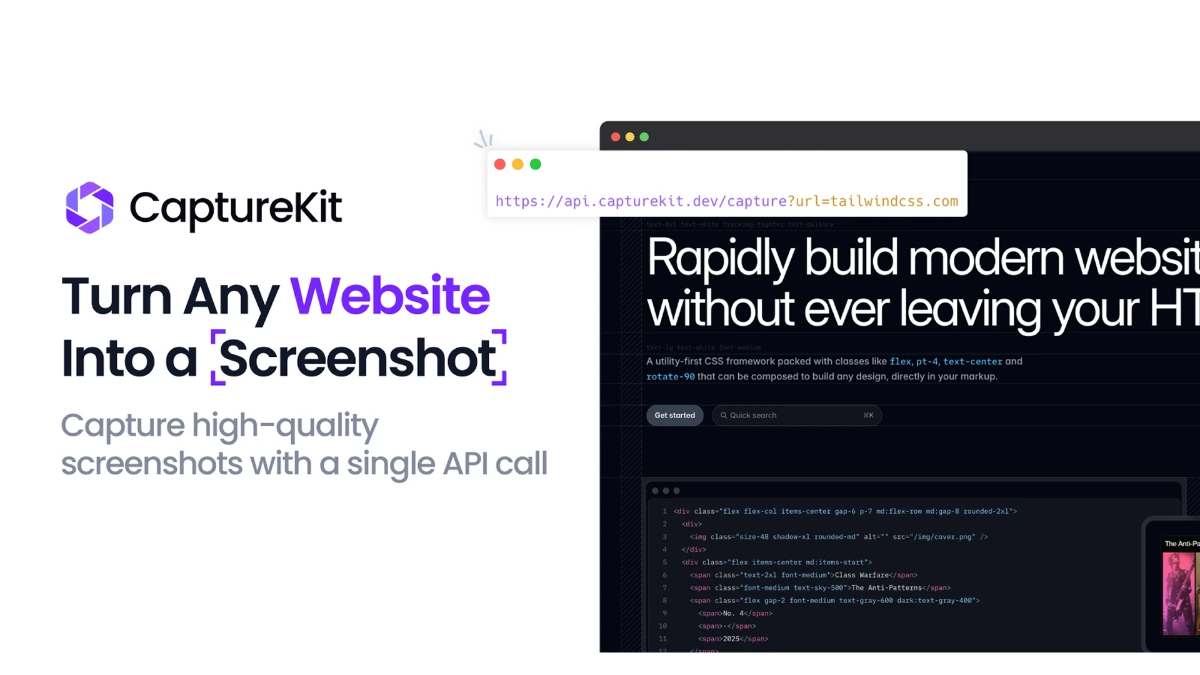
- Shared credit pool across six modes. One credit balance covers crawling, rendering, screenshots, and unlocking, at 1 credit per static fetch, 2 per rendering or screenshot, and 3 per WebUnlocker request.
- Request dashboard with per-domain analytics. The dashboard logs status codes, latency, and retry counts per request, and shows unlock pass rates and credit usage broken down by mode.
- No-code automation connections. Works with n8n, Zapier, and Make, so teams can trigger scrape jobs from existing no-code pipelines.
Who BrowserSolver is for
- Data engineers at e-commerce intelligence firms who need to scrape retailer and marketplace pages protected by Cloudflare or DataDome without standing up a dedicated proxy fleet.
- Price monitoring SaaS builders who need JavaScript-rendered product pages fetched reliably at scale, billed per successful result rather than per attempt.
- Solo developers building market research or lead enrichment tools who want scraping infrastructure without the operational overhead of managing browser pools and IP rotation.
- Security and threat intelligence researchers who need technographic profiling and anti-bot fingerprinting across large URL sets without running their own headless browser clusters.
- AI agent developers who need a managed cloud browser for computer-use or web automation workflows and want stable session fingerprints without self-hosting Chromium.
Similar micro SaaS ideas you can build
- Price drop alert service. A subscription tool for online shoppers that monitors product URLs using a scraping API, detects price changes, and sends webhook or email alerts. Buyers pay a flat monthly fee for a watch list of up to 50 URLs.
- Competitor changelog monitor. A SaaS tool for product teams that polls competitor pricing and changelog pages daily, summarizes new entries with an LLM, and delivers a digest via Slack or email. Sells to product managers tracking a handful of named competitors.
- Lead technographic enricher. A B2B enrichment API that profiles what CMS, CDN, and analytics stack a prospect's domain runs, then returns structured JSON for sales teams to filter leads by tech. Monetizes per-lookup or as a monthly batch subscription.
- Screenshot archiving service. A compliance and brand monitoring tool that takes scheduled full-page screenshots of target URLs and stores timestamped snapshots for legal or audit teams. Sells to agencies and regulated businesses that need a page-state audit trail.
- SERP rank tracker. A keyword ranking tool that renders search result pages for a list of keywords on a set schedule, parses organic positions, and charts rank changes over time. Targets SEO agencies managing multiple client domains.